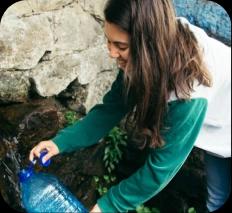
Health and wellbeing


The Victorian Challenge and Enrichment Series (VCES) supports initiatives that extend learning beyond the classroom and provide enrichment opportunities for students in Victorian government schools.
Through VCES support, Essential Need (EN) is delivering two approved student learning activities that help students explore one of the defining global challenges of our time: universal and equitable access to safe drinking water (UN Sustainable Development Goal Target 6.1).
These VCES activities connect curriculum-aligned learning with real-world data, systems thinking, and interdisciplinary inquiry, supporting high-ability and high-potential students, including those from diverse and underrepresented backgrounds, to think critically about complexity and global interconnections.
Health and wellbeing
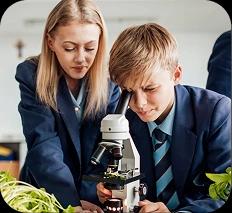
Education outcomes

Gender equity
Community resilience
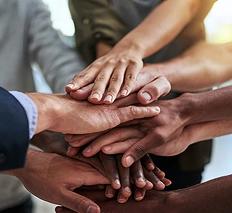
Economic participation
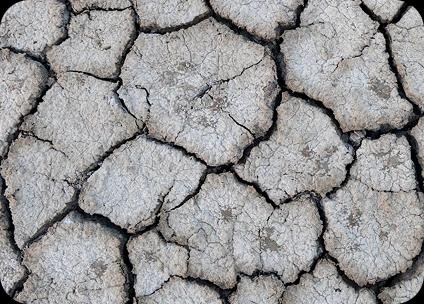
Climate variability and extreme weather
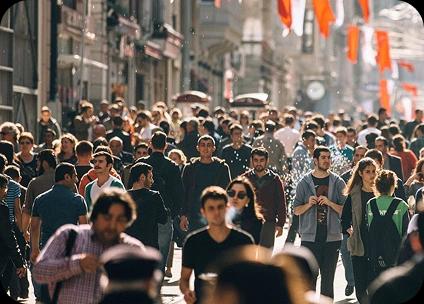
Population growth and urbanisation

Infrastructure constraints
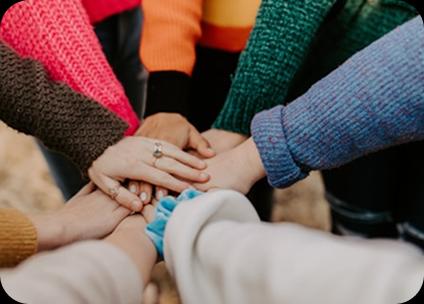
Persistent inequality within and between communities
Education plays a critical role in responding to these challenges. By building water literacy and systems thinking, students are better equipped to analyse evidence, understand interdependencies, and consider long-term, equitable solutions.
As part of VCES 2026, Essential Need will deliver two curriculum-aligned student learning activities, approved by the Victorian Department of Education under the Victorian Challenge and Enrichment Series.
Exploring global water access through real-world data and systems thinking
Recommended for:
Years 7–12
Format: Online
school-coordinated masterclass
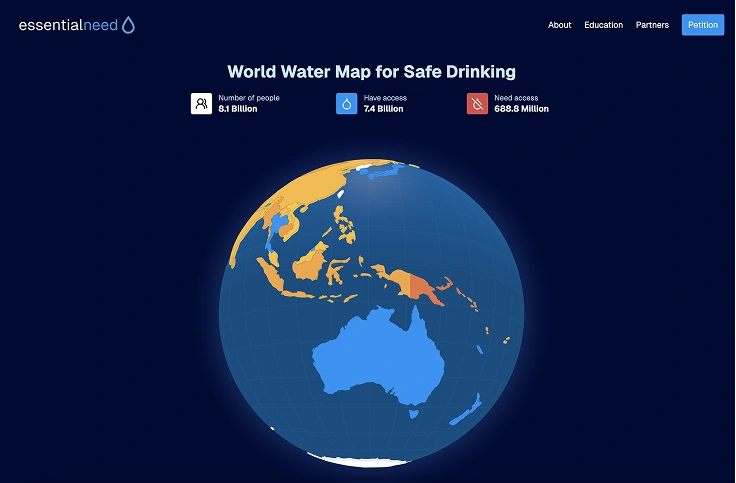
Students explore the concept of extreme water poverty and examine its global scale using real data from the World Water Map. Through guided inquiry and discussion, students investigate how environmental, economic, political, and cultural factors interact to shape access to safe drinking water across different regions of the world.

Interactive exploration of global water access data using the World Water Map to understand the scale and geography of extreme water poverty

Introduction to the United Nations Sustainable Development Goals (SDGs) and how global challenges are addressed through shared international frameworks

Focused understanding of UN SDG Target 6.1 - universal and equitable access to safe and affordable drinking water and why it is critical for health, education, and development
Understanding how water access shapes health, education, and income outcomes
Recommended for:
Years 7–12
Format: Online
school-coordinated masterclass
Students examine the relationship between water access and human development, including impacts on health, education, income, and population growth. Using interdisciplinary case studies and real-world data, students move beyond description to analyse patterns, inequalities, and long-term consequences across different global and Australian contexts.

Analysing the relationship between water access and human development indicators, including health, education, income, and population growth, using the Human Development Index (HDI)

Interpreting real-world data and global case studies to identify patterns, disparities, and causal links between water access and long-term development outcomes

Applying ethical reasoning and systems thinking to evaluate inequality, population pressures, and potential solutions in global and Australian regional contexts
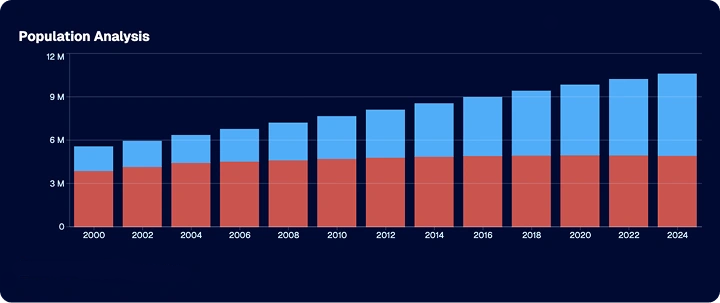
Have access
Need access
Year 20005.5 Million
Year 2024 (Latest data)10.6 Million
24-years Population Change5 Million91%
Schools register and manage student participation through the Department’s Arc platform from Term 1, 2026.
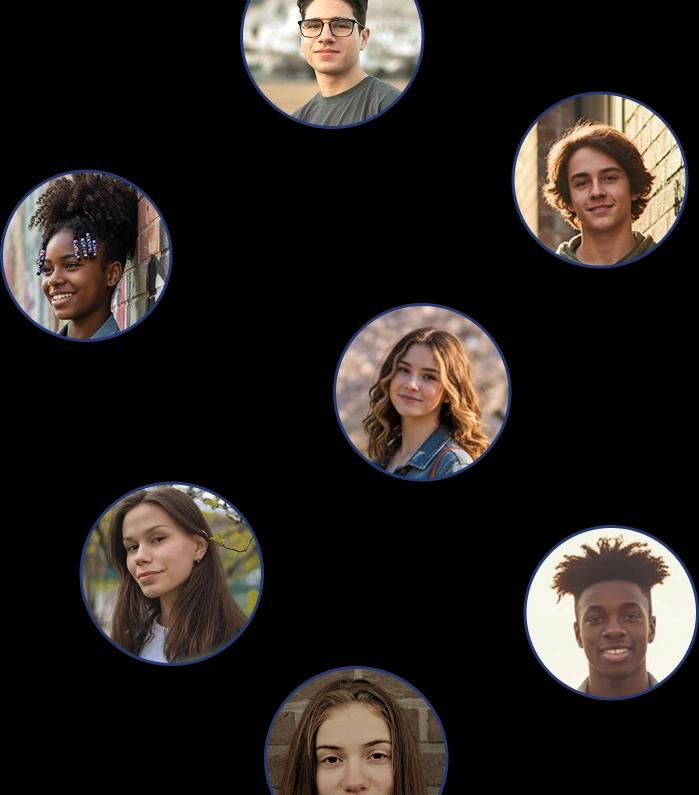
These VCES-supported activities are designed for:

Victorian government secondary schools.

Teachers and Heads of Department seeking high-quality enrichment opportunities.

High-ability and high-potential students, including those with strong interest in global issues, systems thinking, and interdisciplinary learning.

Parents and guardians supporting student learning.
Schools are encouraged to support inclusive participation, including students from rural and regional areas, disadvantaged communities, First Nations backgrounds, and students with diverse learning needs, including twice-exceptional students.
Essential Need brings deep systems-thinking expertise to its education and innovation work, developed over more than two decades and grounded in engineering, data, and digital systems design.
This capability underpins the design and delivery of the two approved VCES activities and supports students to understand complexity, interconnections, and evidence-based decision-making.
UN Sustainable Development Goal Target 6.1
Victorian Curriculum F–10 Version 2.0
Victorian Government education and engagement objectives
Internationally recognized global water datasets
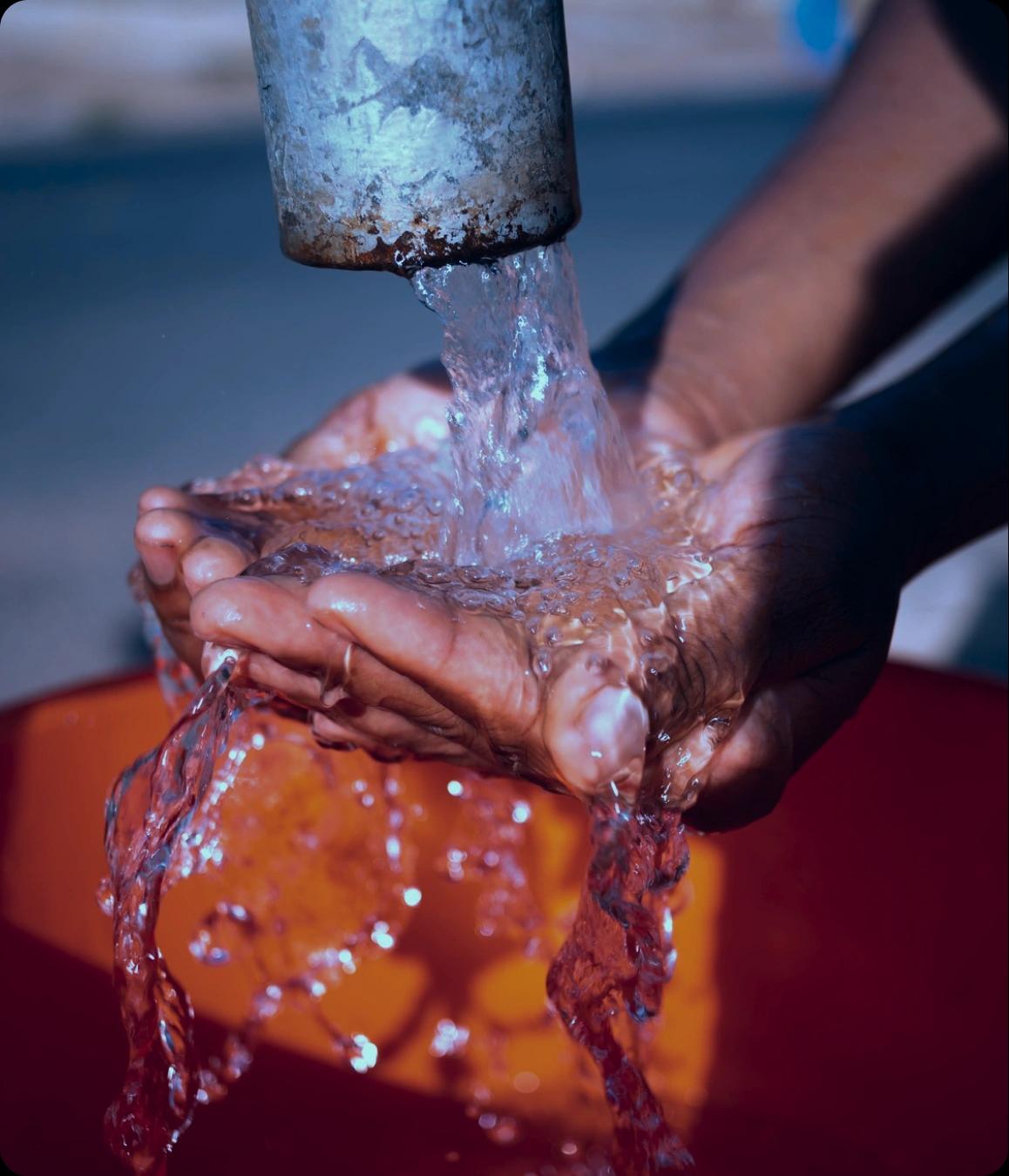
UN Sustainable Development Goal Target 6.1
Victorian Curriculum F–10 Version 2.0
Victorian Government education and engagement objectives
Internationally recognized global water datasets




Essential Need acknowledges the support of the Victorian Government through the Victorian Challenge and Enrichment Series (VCES) in enabling these activities.
VCES activities support excellence in learning while promoting equitable access and inclusive participation.